blog

May 21st, 2026

Team Ecotrak

5 Tips about Vendor and Company Management, from Restaurant Facilities Leaders

External and internal company dynamics can be tricky to navigate on your own, but your relationships with vendors, store managers, and executives can determine how successful your facilities strategy is.

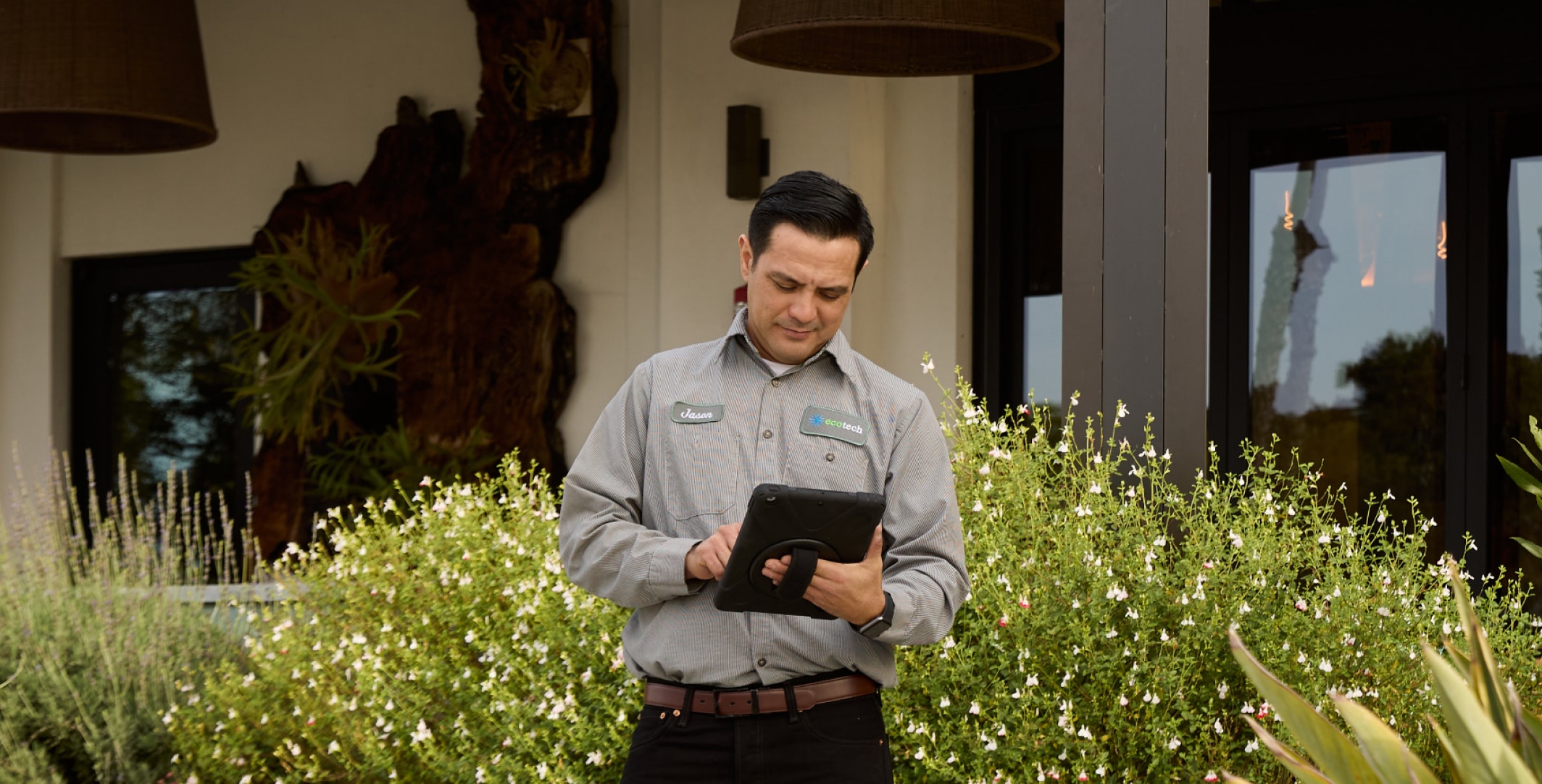
Man in a uniform, holding a tablet, stands amidst green foliage in front of a building entrance.

Restaurant facilities management isn’t only about equipment and maintenance; at its core, operations is about managing people. External and internal company dynamics can be tricky to navigate on your own, but your relationships with vendors, store managers, and executives can determine how successful your facilities strategy is.

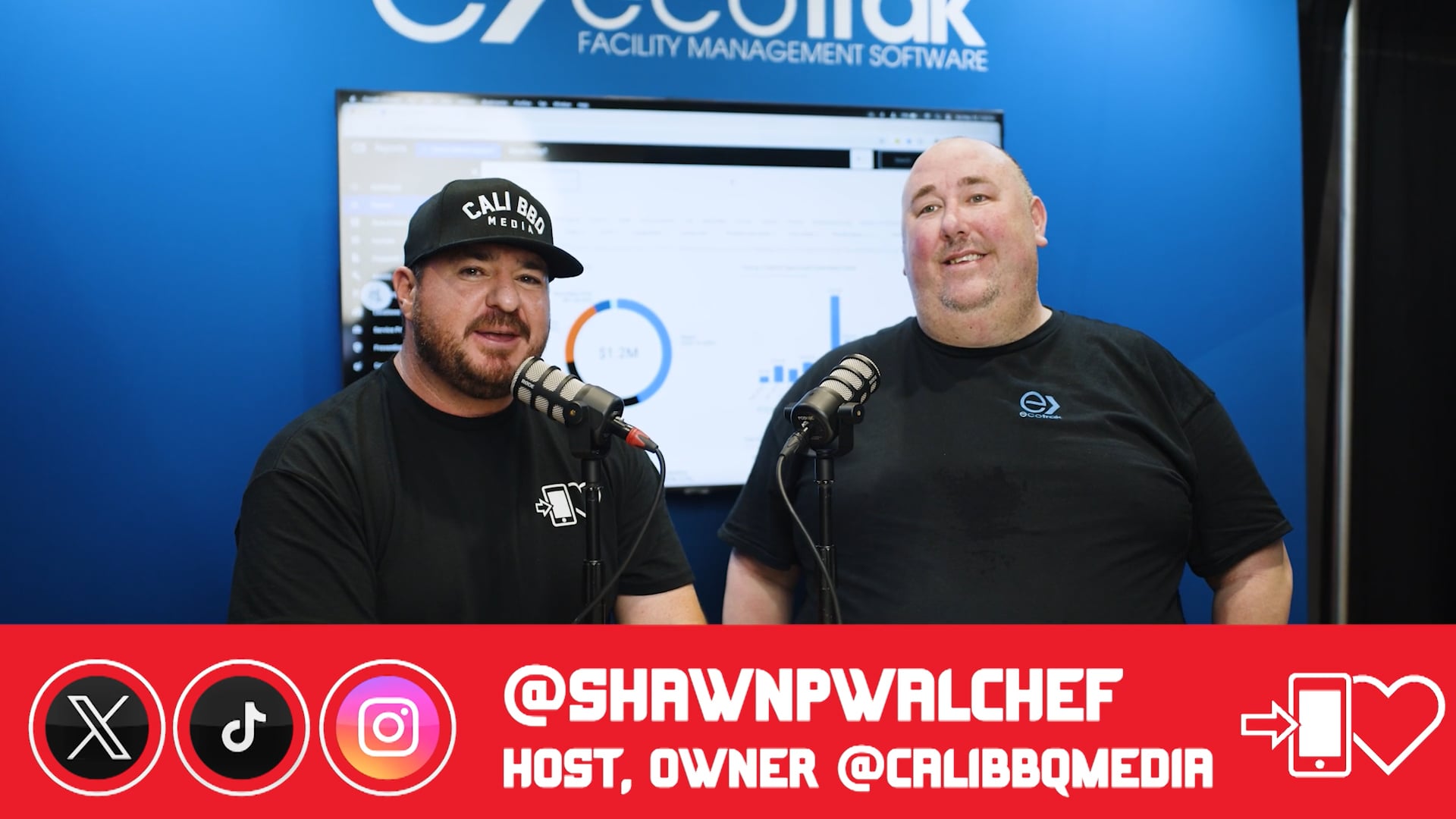
If you’re looking to learn how your peers in the industry tackle challenges like these, Ecotrak’s newly-launched Facilities Unfiltered podcast series speaks with facilities management leaders about topics like people management. Hosted by Matt Singer, CEO of Ecotrak, these interviews are packed with hard-earned experience and valuable insights.

Here, we pull five tips about relationship management from recent conversations with three restaurant facilities management leaders: Michele Preston of Al Copeland Investments, Adam Rinella of goop Kitchen, and Nic Stoyer of bartaco. Let’s dive in to “facilities, unfiltered”.

Empower operators in the field

Because your operators and managers are generating revenue, every department should see their focus as supporting operations.

For facilities management leaders, the goal is to quickly take issues off of an operator’s plate, so that “they can really focus on what they are there to do: create amazing food and give service to our guests,” says Adam Rinella of goop Kitchen.

Given the high turnover for industry and operations roles, Nic Stoyer of bartaco focuses on building a facilities program that’s designed to be picked up easily by those in the field. From maintaining consistency in CMMS records to putting QR codes on equipment that link to maintenance training, his field operators “have the capability of solving problems for themselves. We ‘teach them how to fish’, so they're not calling us for every little thing,” says Nic. With these day-to-day systems in place, Nic’s facilities team is able to focus their efforts on executing larger dollar-saving projects.

Michele Preston of Al Copeland Investments agrees that empowering store managers, who are in their locations daily, can support overall facilities health. Educated managers can communicate with vendors or pass along pictures of issues, says Michele, flagging problems when they happen rather than waiting for the facilities team’s quarterly inspection.

Create accountability in vendor relationships (both ways)

“Facilities is relationship-driven,” says Adam. He explains that he maintains strong relationships with important service providers, so that he has an escalation point when needed. “Some people just see [facilities] more functionally, as sending through a work order and a tech coming out. But having those relationships and those escalation contacts becomes really important” when facing certain challenges, he explains.

Demanding accountability in communication from a vendor is also key, says Michele. She asks her vendors to directly communicate with her about any issues, rather than her hearing about it from her store managers. “My vendors truly are trusted partners, and they know it. We have a really great amount of respect for each other because of that,” Michele adds.

Similarly for Nic, accountability goes two ways: he appreciates when vendors are open about an issue with a technician or scheduling. And on his side, he makes sure that if there is ever a billing or invoice issue that impacts his vendors, it is resolved as soon as possible.

Adam‘s experience echoes that idea, saying “We can even appreciate if a vendor admits when they made a mistake. We know these are fluid situations. We know these are busy restaurants. Nothing's ever going to be perfect, but when somebody is just being really communicative about the process, and especially when things go a little bit sideways, that's really how great relationships are built.”

Communicate upwards with data

When Nic presents ideas, strategy, and requests to his company’s leadership, he builds his case with strategic data and analysis from Ecotrak. The organization regularly uses Ecotrak’s reporting functions to analyze everything from COGS to supply chain costs to R&M spend.

Nic described being able to successfully make data-driven cases for CapEx spend in his facilities strategy, using Ecotrak. The data helped him identify how certain initiatives could drive down R&M, such as investing in teaching teams how to use equipment properly, replacing certain equipment with new warranties, and defining the PM strategy. He was able to use data to connect how his facilities spend protected the bottom line of the P&L.

Michele faces the challenge of facilities management across different concepts within her restaurant group, and relies on data analysis to make long-term decisions. “There are just so many things in place now that are at our fingertips that really can enhance your facilities operations,” she explains. She uses data from Ecotrak to gain visibility into what equipment is doing, define what potential problems are on the horizon across the entire portfolio, and even explore ROI on replacing multiple separate pieces of equipment with multi-function equipment.

People first, always

While much of facilities management focuses on store and equipment details, all three facilities leaders emphasized that the core component of operations is the people.

Michele emphasizes that communication and sharing knowledge amongst her team and the store managers helps build operations over time. “There's a lot of teaching in my daily routine—I think educating the team is key,” she says.

“When you become a director, your job has shifted from doing to strategizing,” adds Nic. He describes that his focus is building processes and tools that remove roadblocks for his team, allowing them to execute their job as quickly as possible and keep stores running smoothly.

Adam knows that to invest in overall customer experience, he needs to ensure his people feel supported and motivated. “We focus on our team members, and we know that trickles down to our guests,” explains Adam.

Build a network of restaurant facilities management peers

Finally, all three leaders emphasized that building a network of peers is an incredibly valuable resource for any facilities management professional.

“It's super beneficial to be able to trade info and ask questions with other people that are dealing with the same issues at other organizations,” says Adam. This network of peers in similar positions can allow you to understand what issues other organizations are dealing with and how they are solving problems. Just as investing in facilities management systems can improve operations over time, investing in your professional network will pay dividends.

To hear more from facilities management leaders, check out Ecotrak’s Facilities Unfiltered podcast.

Related Content

Newsletter

KEEP UP WITH US