blog

May 22nd, 2026

Team Ecotrak

5 Operations Lessons from Restaurant Facilities Management Leaders

In facilities, you’re learning lessons every day about new operational challenges. In the face of all these operational lessons, it can be beneficial to take a step back and hear from peers who have experienced similar challenges.

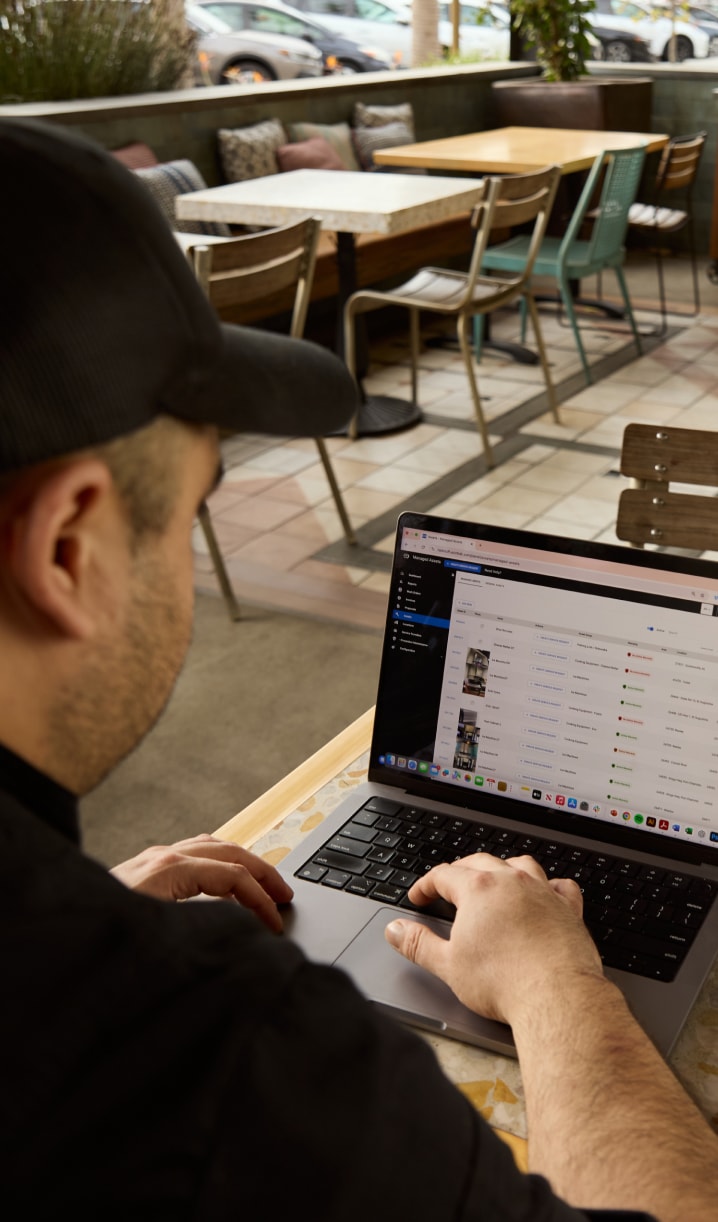
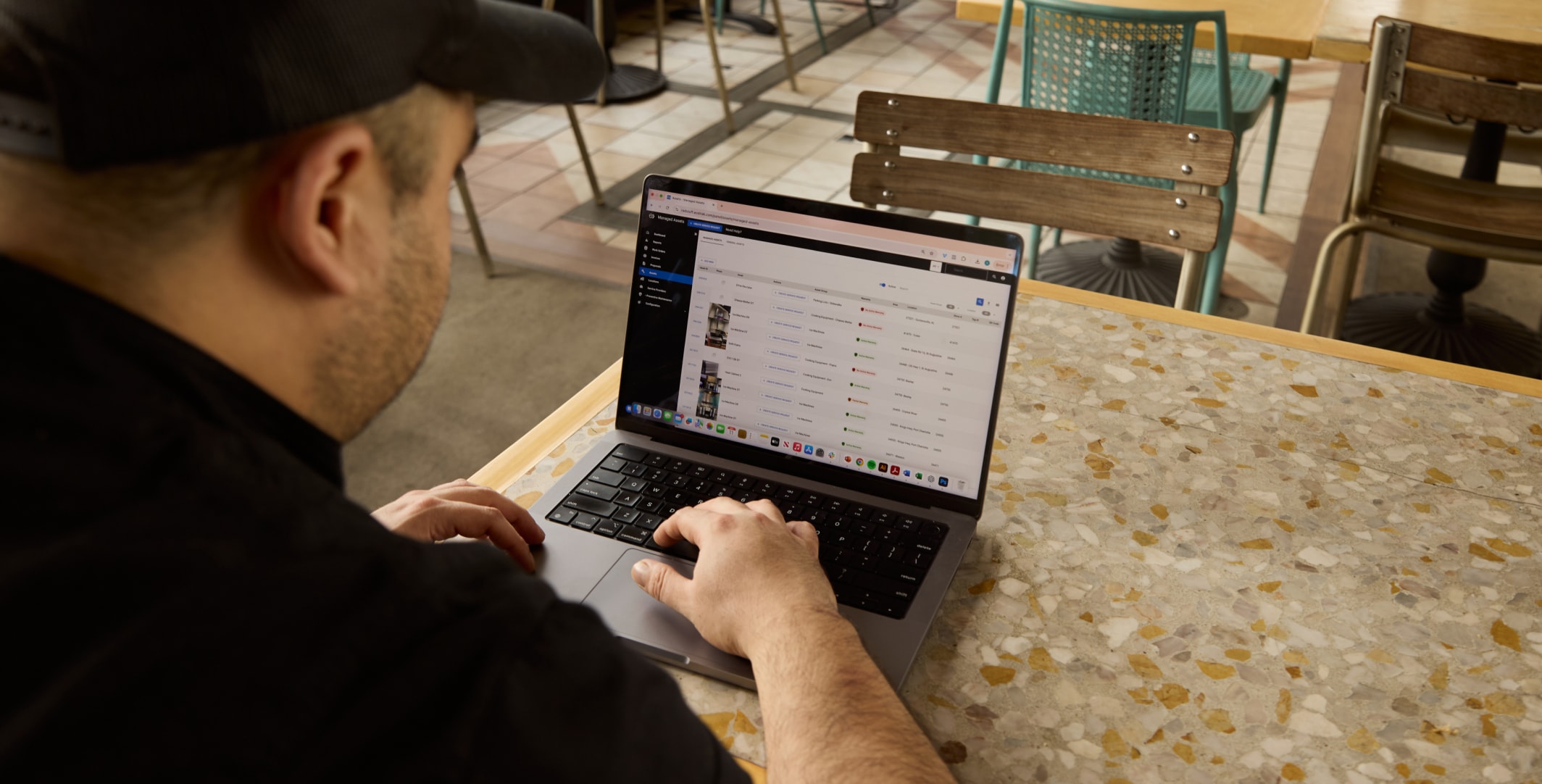
Person sitting at a table, using a laptop in a cafe. The screen displays a list with columns, possibly a spreadsheet or data table.

In facilities, you’re learning lessons every day about new operational challenges (including all the different ways things can break!). In the face of all these operational lessons, it can be beneficial to take a step back and hear from peers who have experienced similar challenges.

Ecotrak’s newly-launched Facilities Unfiltered podcast series speaks with facilities management leaders, to share insight and stories from the industry. Hosted by Matt Singer, CEO of Ecotrak, these interviews are packed with hard-earned experience and valuable insights.

Here, we pull five operations lessons from recent conversations with three restaurant facilities management leaders: Michele Preston of Al Copeland Investments, Adam Rinella of goop Kitchen, and Nic Stoyer of bartaco. Let’s dive in to “facilities, unfiltered”.
Strategize Preventive Maintenance (PM) priorities

When the budget needs to be tightened, it is common that preventive maintenance (PM) activities are reduced or cut. However, facilities professionals know that PMs can be an important investment to protect assets, otherwise “you're going to put your buildings and your equipment into such a world of hurt that there's no getting out of it,” says Nic Stoyer of bartaco.

Some PMs have real value in the budget. Of course, critical PMs related to fire or safety should always remain a focus. For other PMs, with the help of asset data about equipment age, repair spend, and trends, some PMs can be reasonably proven to help extend the lifespan of equipment or reduce lifetime repair costs.

Getting the most out of PMs requires teaching operators why these activities are important, communicating the schedule that was set with the vendor, and educating how to validate that the work was done correctly, adds Michele.

But ultimately, when it comes to PMs, “it’s an art and a science” explains Adam Rinella of goop Kitchen. Savings can be found within the PM budget, with some restaurant facilities managers reporting that they skip a month here or there on non-critical equipment when necessary.

Streamline tasks and centralize facilities data with a CMMS

For a facilities management professional like Michele Preston of Al Copeland Investments, a Computerized Maintenance Management System (CMMS) is the backbone of her facilities management strategy. Investing in technology and automation to streamline day-to-day administrative work minimizes the time operators are buried in paperwork in the back office. With a CMMS, an operator “can pull up their assets, see what's going on, find information for a vendor, all at the palm of their hand. That’s how we keep them not being bogged down by any kind of office work,” she explains.

Nic believes another value of using a CMMS is the centralized source of data, saying “the amount of time [a CMMS] saves, having all of your information, your equipment, your work orders, your repairs, your invoices, all in one place… we have so much robust data that I can pull for analytics” to leverage in conversations with manufacturers, vendor partners, and his executive team.

Centralize and track lease and equipment obligation details

All three restaurant facilities management leaders emphasized the importance of knowing where their organization’s contractual obligations start and end, particularly with leases and equipment warranties.

Landlord responsibilities may differ across locations, says Adam. The landlord may be required to take care of landscaping or specific exterior maintenance, or in the case of many of his organization’s ghost kitchen leases, may be responsible for some equipment maintenance. A CMMS like Ecotrak provides a place to centralize lease records and differentiate asset responsibilities by location. This accessible record allows facilities management to know the lease contract backwards and forwards, and prevents the organization from accidentally taking on any obligations that are the landlord’s responsibility.

In the same vein, tracking equipment warranty data also helps ensure the organization does not spend dollars on repairs that should lie with the equipment manufacturer. Nic described how his organization tracks warranty details and dates with the Ecotrak CMMS. He also uses that information to inform conversations with equipment manufacturers, trying to leverage scale for extending warranties and more responsive support.

Leverage AI in your restaurant facilities management

Every organization is researching how AI-powered technology tools can improve operations, and restaurant facilities management leaders are already experimenting with new initiatives.

Adam describes his organization as focused on using AI tools “not to offset labor, but to help support our team members so they can actually focus more on the execution of the food and the care of the guests.” Adam says his first priority is implementing AI to remove mundane tasks from a store manager’s plate, so they can use their time to more strategically improve customer experience.

Nic is focusing on the potential for AI to make something valuable from large amounts of data. In facilities management, explains Nic, an issue is that people “have a huge data set for years, but what do you do with it? How do you harness it?” AI-powered tools (like Ecotrak’s EMA) can mine data quickly and help provide valuable answers and direction, he says.

Look at facilities decisions with a long-term mentality

If there are facilities issues, even in the development and construction phase of a restaurant, “my philosophy is always that short term pain is worth figuring out the right long term solution,” says Adam. For goop Kitchen, a schedule delay or a small increase in budget to solve a problem is worth it, because the location may be leased for 5-20 years. In his organization, Adam is working to close the gap between development/construction and facilities. If not addressed, “you're only creating a problem for yourself in the long term… because the facilities team is inheriting some of the development decisions.”

Nic echoed this long-term perspective, citing how he prioritizes keeping the maintenance CapEx plan. “Investing in the right equipment to maintain the sales and grow the sales is huge. Sometimes people are so focused on ‘cut the bottom line’, but you forget about the impact that can have to the top line, especially when it comes to the guest experience,” he explains. The investment ensures high-quality facilities, which can continue growing the business and result in sales.

To hear more from facilities management leaders, check out Ecotrak’s Facilities Unfiltered podcast.

Related Content

Newsletter

KEEP UP WITH US